
Pest Control
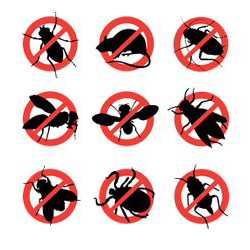
Public Notice is hereby given that the University of Winnipeg intends to conduct the following Pesticide Control Programs during 2026.
1. To control rodents at various times during 2026 year, the following rodenticides will be used:
- Brodifacoum
- Bromadiolone
- Bromethalin
- Difethialone
2. To control the following insect pests, including cockroaches, bed bugs, mosquitoes, wasps, etc, during the year 2026, the insecticides to be used include:
- Piperonyl butoxide
- Pyrethrins
- N-Octyl bicycloheptene
- Dicarboximide
- Permethrin
- Tetramethrin
- d-Phenothrin
- Imidacloprid
- Beta-cyfluthrin
- Amorphous Silica Gel
- Clothianidin
- Disodium-Octaborate Tetrahydrate
- Borax
- Silicon dioxide
- Cyfluthrin and Piperonyl butoxide technical
3. To control pigeons at various times during the 2026 year, the following niche pesticide/avicide will be used:
- Nicarbazin
The public may send written submissions or objections within 15 days of the publication of the notice to the department below.
Manitoba Environment and Climate Change
Environmental Approvals Branch
Box 35, 14 Fultz Boulevard
Winnipeg, MB R3Y 0L6
pesticideusepermit@gov.mb.ca
Insect and rodent infestations are best prevented through effective control of food sources through proper storage, waste handling, good housekeeping, and building maintenance practices. Non-chemical methods are used on campus as much as possible; however, despite best efforts, infestations will sometimes occur, and the use of pesticides may be necessary. If infestations are not controlled either through good practice or chemical methods, health risks may become an issue. The volume of pesticide products used and stored at the University is limited and is only used when high infestation occurs. In addition, safe work procedures for the use and handling of chemical pesticides when these are applied are in place, along with training and licensing for anyone who may be required to apply these pesticides.
The Safety Office, in collaboration with Campus Sustainability and Facilities, will continue to investigate alternatives to controlling pest infestations using non-toxic chemicals, where available.
The following is additional information regarding the University's safety procedures on pesticide application so that employees fully understand why the University requires a control program, and the extra measures that are taken to ensure that the application of pesticides is conducted in a safe and responsible manner, particularly in offices, resident areas and day care.
Pesticides may be applied in areas of concern where there is an infestation or possibility of advancing to infestation, and which pose a potential risk to health due to the following:
- Rodents may carry Hantavirus, and people may become infected through contact with Hantavirus-infected rodents or their urine and droppings.
- Feral pigeons can pose a risk to human health and can cause extensive property damage.
- An insect sting or bite may result in a potentially lethal reaction for those who are allergic to the insect's venom
Process for Using Pesticides/Insecticides
The Safety Office will be informed of the usage of pesticides and monitored for their use monthly.
Treatment of Offices and Resident areas
When using insecticide, Facilities staff will follow the procedures below to minimize exposure potential in office and resident areas:
- Insecticides will never be used in the concerned areas without prior notice to the occupants.
- Insecticides will be applied only when the occupants are not in the area, and occupants will not be allowed to re-enter the area until at least four hours have elapsed.
- A notice will be placed on the door indicating that the area is closed and off limits, and a time specified.
- Tape will be placed over the door lock as a reminder to occupant(s) not to enter the area
Treatment of Daycare
The procedure for applying insecticidal spray in Daycare will be conducted on Friday evenings only, so that the children will not be present when it is applied and will be allowed to off-gas for at least two days before normal occupancy resumes.
The University's Health & Safety Office will ensure that any pesticides are used correctly and safely according to procedure. If you have concerns, please contact:
Craig Wood
Director, Building Services
cr.wood@uwinnipeg.ca or 204-988-7187