
Toolkit 4: Volunteer Engagement & Training
By Stacy Cardigan Smith, with additions from the SVRA Safety Committee
Why Volunteers Matter
Community work is powered by people. If you’re reading this, chances are you’re one of them—thank you! Volunteers are the heart of grassroots organizing, and engaging them meaningfully is key to building a safer, more connected neighbourhood.
Volunteers bring diverse skills, experiences, and motivations. Some want to help once in a while; others are looking for deeper involvement. Some are outgoing and love public-facing roles, while others prefer behind-the-scenes support. The more flexible and inclusive your approach, the more people will feel welcome.
- Start with relationships: Volunteering is a two-way street. Ask people what they enjoy, what they’re curious about, and what they hope to get out of the experience.
- Reflect your community: Make intentional efforts to include volunteers of different ages, backgrounds, and lived experiences. This strengthens your work and builds trust.
- Be clear and respectful: Share expectations, time commitments, and goals up front. Respect people’s time and boundaries.
- Offer meaningful roles: Connect volunteer tasks to the bigger picture. Let people know how their work contributes to community safety and well-being.
- Support and train: Provide guidance, especially for roles like facilitation or outreach. Offer day-of briefings or pre-event training as needed.
- Celebrate and appreciate: Thank volunteers often and publicly. Acknowledge their contributions during events and in follow-up communications.
Planning & Design
- Event Conceptualization: Help brainstorm and shape event ideas
- Logistics: Book venues, coordinate food, childcare, and accessibility
- Communications: Draft speaking notes, design PowerPoints, prepare materials
Promotion & Outreach
- Marketing Strategy: Help position the event—why should people care?
- Media & Design: Create flyers, social media posts, and newsletters
- Flyer Delivery: Distribute materials door-to-door or at local businesses
- Community Partnerships: Reach out to local organizations and businesses
Event Day Support
- Setup & Takedown: Tables, chairs, decorations, signage
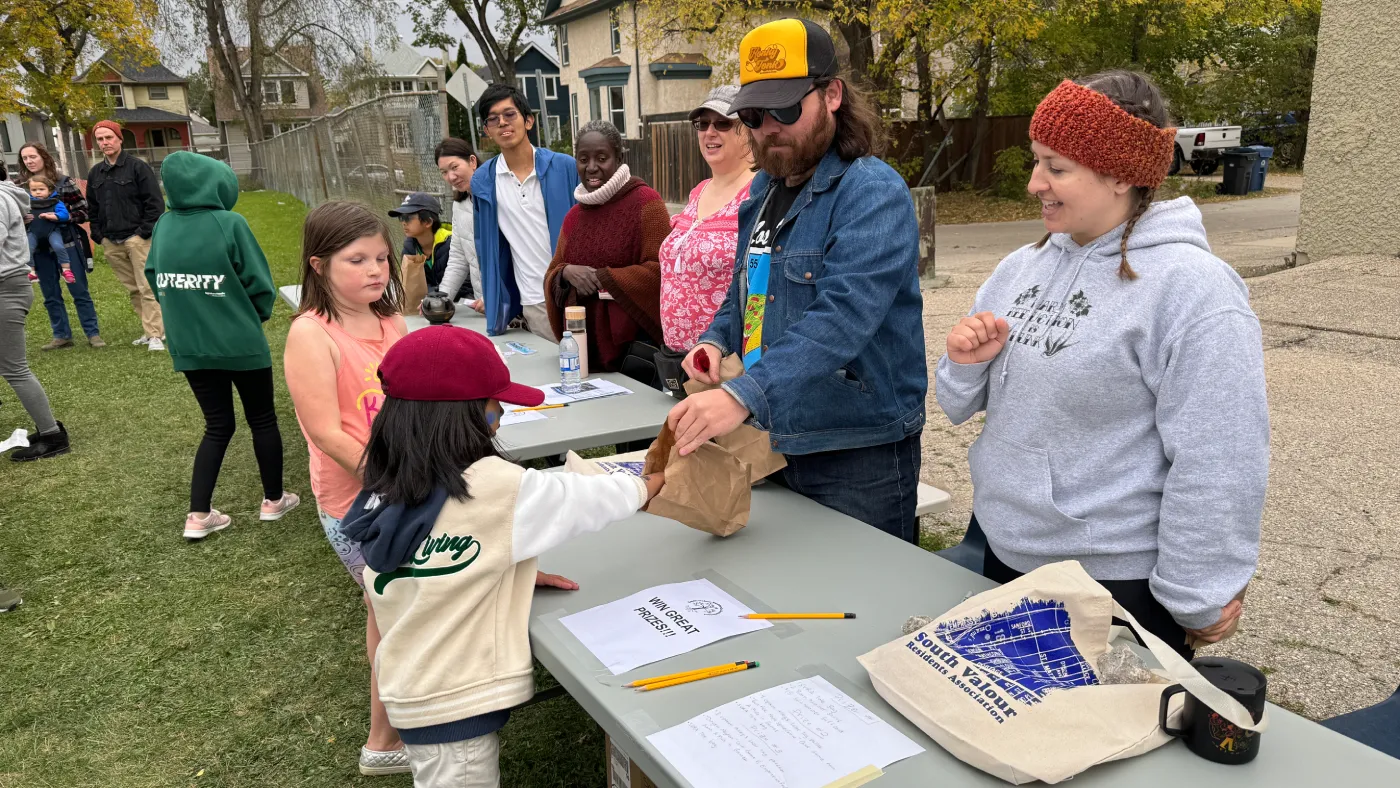
- Welcome & Registration: Greet guests, manage sign-in, share newsletters
- Facilitation: Lead or support discussions, games, or activity stations
- Childminding: Provide care so parents can participate
- Food & Hospitality: Prep and distribute snacks or meals
- Feedback Collection: Distribute and collect forms, support reflection
- Photography & Documentation: Capture the event for sharing and learning
Volunteer Coordination Tips
- Assign a Volunteer Lead to manage communication and logistics
- Keep a volunteer database with names, contact info, preferences, and availability
- Use role descriptions and checklists to clarify expectations
- Offer training sessions or day-of briefings for more involved roles
- Create space for volunteer feedback and reflection after events
- Encourage volunteers to grow into new roles—many SVRA board members started as volunteers
Here are some common roles in a customizable template.
| Role | Name(s) | Explanation |
| Event Lead | Oversees event, manages volunteers, ensures setup and flow | |
| AV/Tech | Set up projector, runs slides or music | |
| Minute Taker | Takes notes of discussions or debriefs | |
| Guest Sign In | Welcome attendees, manages registration and newsletter sign-ups | |
| Childminders | Provide free child care to ensure participation for parents with children | |
|
Food Service |
Prepares and distributes snacks or meals | |
| Prize Coordinator | Manages prize draw and sponsor acknowledgments | |
| Setup Crew | Arranges tables, chairs, decorations | |
| Volunteer Support | Checks in with volunteers, troubleshoots, ensures everyone feels supported |