UWinnipeg WGS alum co-publishes with professor
Wed. Mar. 25, 2026
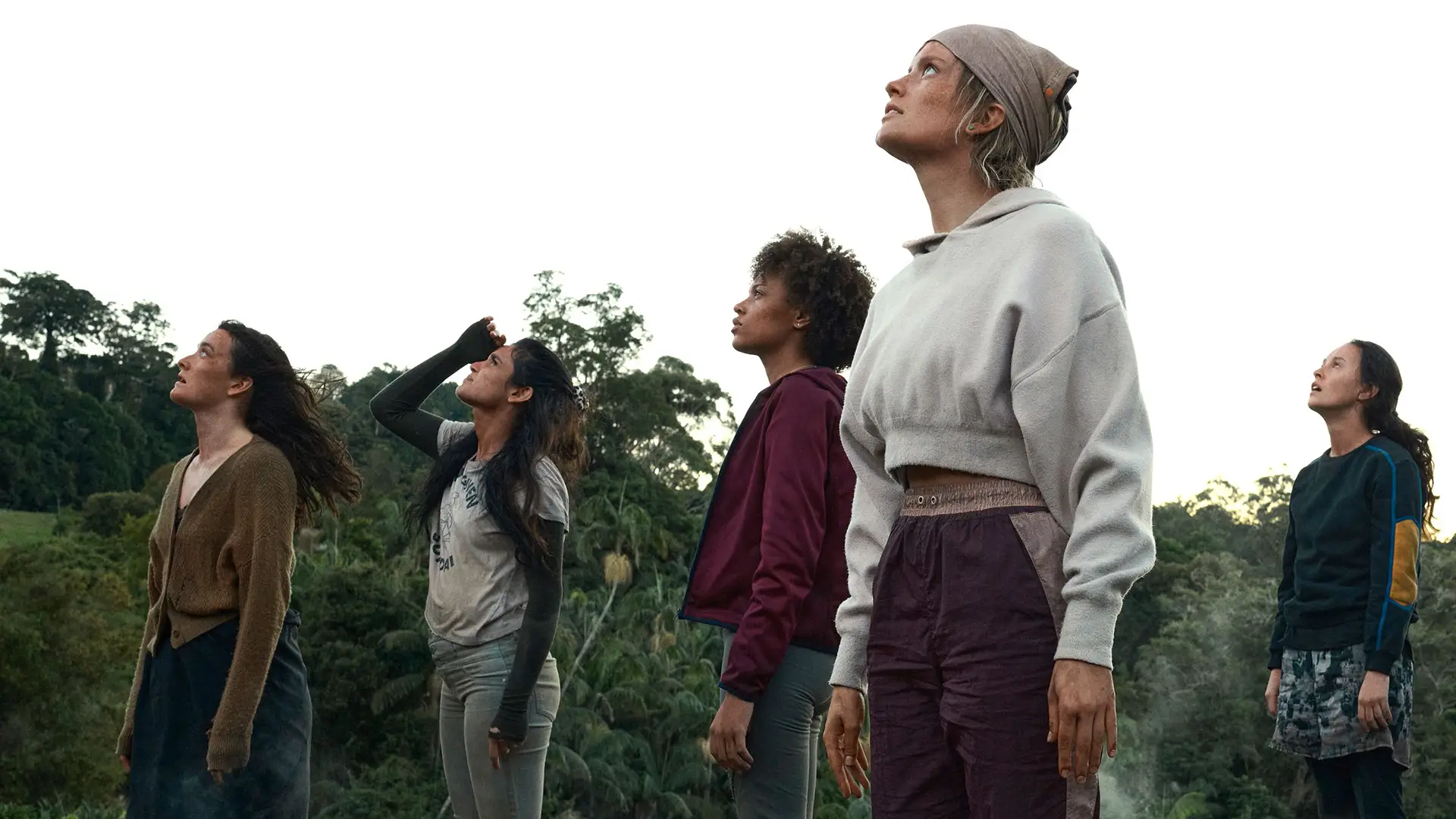
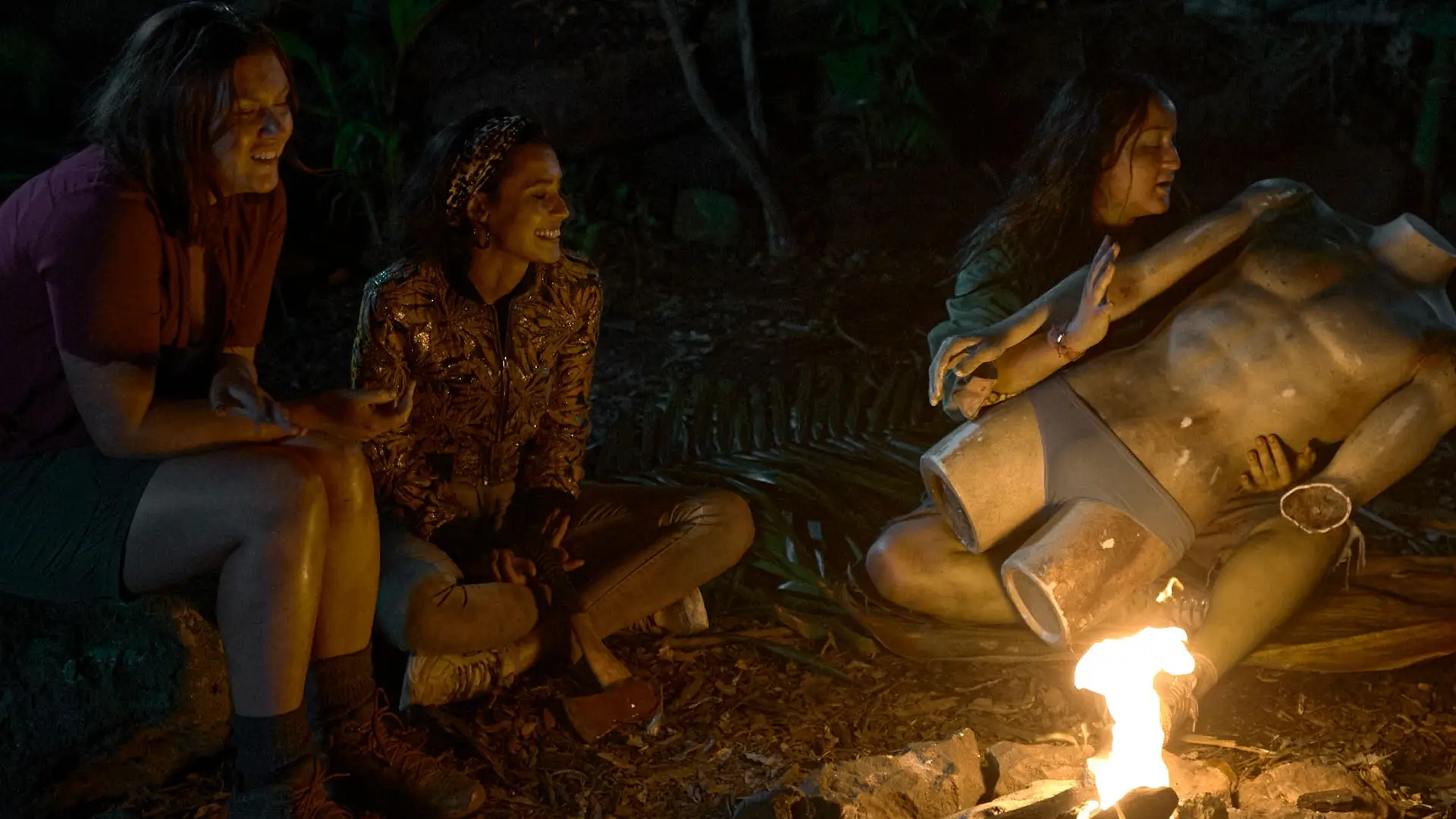
Hannah Paterson, UWinnipeg Women’s and Gender Studies (WGS) alum (2023), co-published with WGS professor, Dr. Pauline Greenhill, while she was still a student. The article “Disrupting Mainstream Girl Power through Intersectional Feminism in The Wilds” (Girlhood Studies, Vol 18 (1), 2025) examines how girlhood is portrayed in The Wilds, a YA TV series on Prime Video in 2020. In the series, eight girls become stranded on a deserted island while travelling to a feminist retreat and it follows the girls as they learn to work together to survive. Paterson and Greenhill’s article shows how queer and Indigenous girls are portrayed in the series as empowered and complex characters. This is in contrast, they argue, to how American media normally present girlhood through a white and heteronormative lens.
Hannah Paterson is lead author. Dr. Greenhill explained that she doesn’t think students should necessarily get “second billing” when they co-publish with faculty, stating “This was Hannah’s idea, her research, and she did the first two drafts. . . I’m not actually first author so I don’t think I should look like first author.”
Hannah graduated in June 2023 with her major in WGS and a minor in History. In fall 2025, she started her Master's in Social Work at the University of Manitoba. With the time limitations of her Master's program, Hannah and I did an interview via e-mail about her experience in the WGS program and co-publishing with Dr. Greenhill. I drafted some questions and Hannah provided such thoughtful responses, answers, which as you’ll see, so clearly underscore just how well Hannah’s WGS degree prepared her for her work in childcare and as a family support worker and for further study in her MSW program.
Arts Matters: Can you tell us about your work since you graduated in June 2023 with a major in Women’s and Gender Studies and minor in History?
Hannah Paterson: For over two years I have been working at a reunification, prevention and long-term treatment centre for Indigenous families impacted by the child welfare system. Since working at this organization, I have held a few different positions working in the organization’s childcare centre and now as a family support worker.
Since graduating in 2023, I have also stayed connected to the Women’s and Gender Studies Department at the University of Winnipeg. I have completed a few different research and TA positions for the department and am grateful for the faculty’s ongoing support.
I am currently studying at the University of Manitoba and am working towards earning my Master’s in Social Work.
AM: How did the opportunity to write this piece with Dr. Greenhill come about?
HP: In my final year at U of W, I was taking a course with Dr. Greenhill. Dr. Greenhill informed that class that she had a research position open and encouraged us all to consider applying. I applied for the position as I was really interested in researching media representation through a feminist lens and wanted to get more involved in the faculty. This RA position allowed for us to work together and create this article.
AM: Can you tell us a bit about the article?
HP: This article focuses primarily on The Wilds, a YA TV series released to Prime Video in 2020. The series features a storyline about 8 girls who are stranded on a deserted island on their way to a feminist retreat and must learn to work together in order to survive. In the article, Dr. Greenhill and I critically analyze how the series depicts girlhood from an intersectional feminist standpoint. Our research highlights that generally, American media presents girlhood and empowerment through a white and heteronormative lens, which thus excludes queer and BIPOC representations of girlhood. In the article, we critically analyze how the series counters these narratives by portraying queer and Indigenous girls as empowered and complex characters.
AM: What is your “take away” from working on this?
HP: While working on this piece, it really reminded me how important it is for girls to see themselves represented in the media. I think that it is important for girls to grow up seeing themselves in the media, as it helps to promote self-acceptance and can help build girls’ confidence and empowerment. Evidently, there is still a huge gap in the media’s representation of queer and Indigenous girls, which needs to change so that more children can see themselves reflected in the media they consume. Having worked with Indigenous youth, I think it is especially important for television and media to showcase Indigenous cultures and practices in a positive light. For far too long, the media has enforced colonial narratives that exclude Indigenous perspectives and cultures. Creating media that highlights the importance of Indigenous cultures helps to decolonize media and may help to empower Indigenous children’s self-identity and connection to their community.
AM: How does your coursework in WGS affect your worldview?
HP: My coursework in Women’s and Gender studies has played a foundational role in shaping my worldview and work since graduating. My WGS courses exposed me to concepts like intersectionality and decolonization, allowing me to better understand systems of privilege and power and how they operate in our society. These teachings have helped me integrate a feminist perspective to my worldview and continue to shape my perspective as I have started my MSW.
AM: You look at the portrayal of the Indigenous and queer characters in the series The Wilds, which was released in Dec. 2020, from a feminist girlhood studies approach. What is a feminist girlhood studies approach? And what is intersectional feminism?)
HP: To me, a feminist girlhood studies approach is examining how girlhood is portrayed through an intersectional feminist lens. In the article, Dr. Greenhill and I analyze how girlhood is often portrayed through white, cisgender and heterosexual characters. As a result, the media has created the expectation that whiteness and heterosexuality are idyllic and normative expressions of girlhood. By applying an intersectional feminist perspective, we can understand how these portrayals are not representative of all girls’ lived experiences and that queer and BIPOC girls are thus excluded from these ideas of girlhood. As a result, only white heterosexual girls are truly empowered by the media, leaving a large gap in media representations of girlhood.
Intersectional feminism draws on Kimberlé Crenshaw’s term intersectionality, recognizing that individuals have multiple and complex identities and can experience multiple forms of oppression. By applying an intersectional feminist perspective to the study of girlhood, we can understand that girls’ experiences are impacted by sexism, racism and hetero/cis-sexism, which impacts girls differently based on their identity and social location.
AM: How does the storyline involving the Indigenous characters, especially Martha, empower Indigenous girlhood?
HP: In my experience, there has been very little mainstream media that features Indigenous characters, and often when they are portrayed in the media, it is through stereotypes. The Wilds counters this narrative featuring Indigenous characters who are realistic, complex and strong. What stands out most to me in this series is how cultural practices are portrayed as sources of empowerment and resilience. For example, in the series Martha draws on her culture and love for jingle dancing to draw strength for herself. This is such an important message to share with young Indigenous girls, as this shows them how they too may find a sense of connection and strength by (re)connecting with their cultural roots.
Lisa Michelle McLean
Office Manager and Program Officer
Faculty of Arts
204.786.9490 l.mclean@uwinnipeg.ca